Baptism
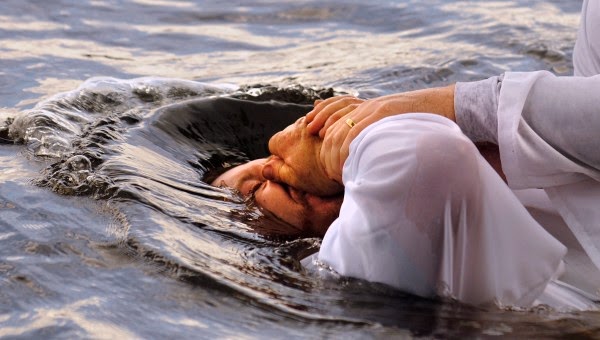 Even before Jesus was baptised in the River Jordan, baptism had begun to be seen as a outward sign of an inner repentance; a decision to turn from sin and a desire to live life in a new direction following God. Later, after his death and resurrection, Jesus told his followers to go out into the world to make new disciples and to baptise them too.
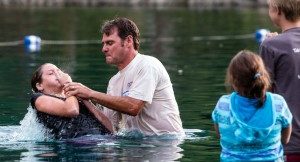 In the early days of the Church, new Christians were often baptised at Easter. After a course of instruction in the faith, they publicly entered into a new life, repenting of their sins and receiving the assurance of God’s forgiveness. This was a symbol that they had died to their old life and, born again, been given a share in the Holy Spirit who came on Jesus at his baptism and, after his resurrection, was given to his disciples.
Generally, in the early Christian centuries, those who joined the Church were not only baptised with water: the bishop also laid his hands on them in blessing, a rite which later developed into what we know as confirmation. Admission to the Church was completed by their receiving Holy Communion for the first time.
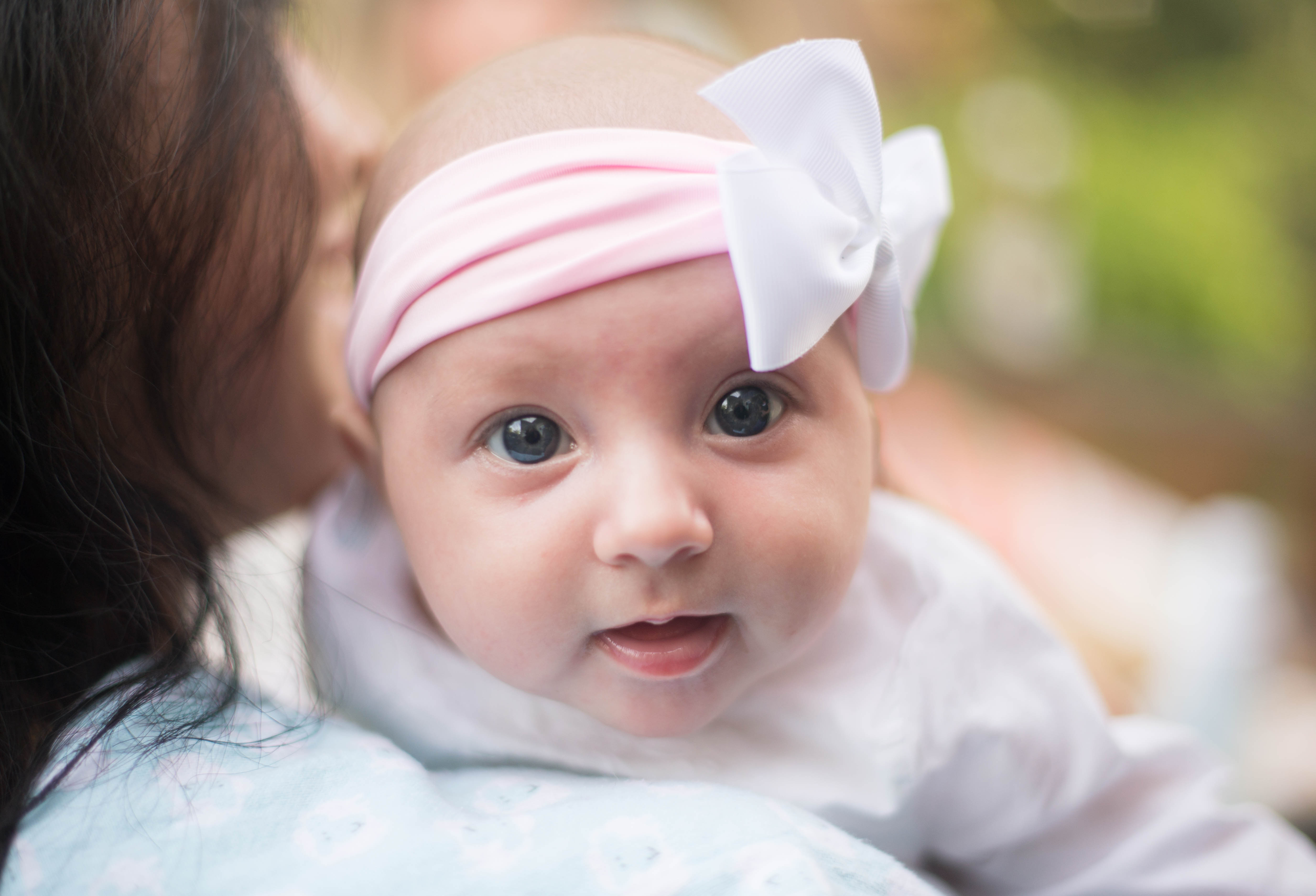 Whilst the baptism of adults continues, nowadays it is mainly infants and toddlers that are brought for baptism within the Church of England. At the baptism of infants, certain promises and declarations of faith must be made by the parents and godparents on behalf of the child. These are serious decisions with implications that have an impact on the child’s spiritual welfare: therefore, careful consideration should be given when selecting people to act as godparents.
Baptism is still regarded as the sign of entry into the church. However, baptism itself does not make someone a Christian. For an adult, it must be accompanied by a real faith in Jesus Christ and a solid determination to follow him as Lord of our lives whatever the cost.
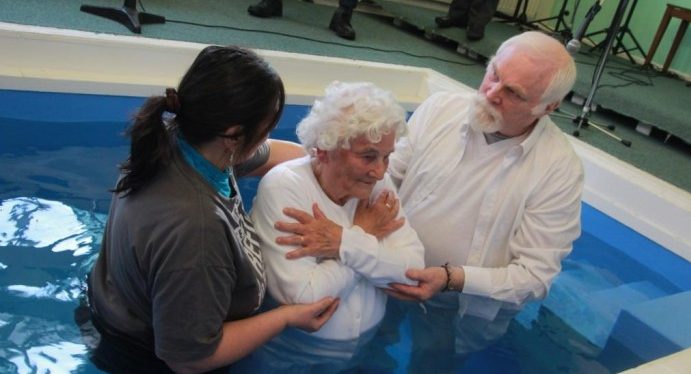 Young children are obviously not able to make such declarations for themselves, so their parents and God parents make promises on their behalf. They promise to bring the child up within the family of the church and, by word and example, to teach them the Christian faith. When they are old enough, our prayer is that these children will decide that they want to continue following Jesus, and so come for confirmation to publicly confirm the promises made on their behalf.
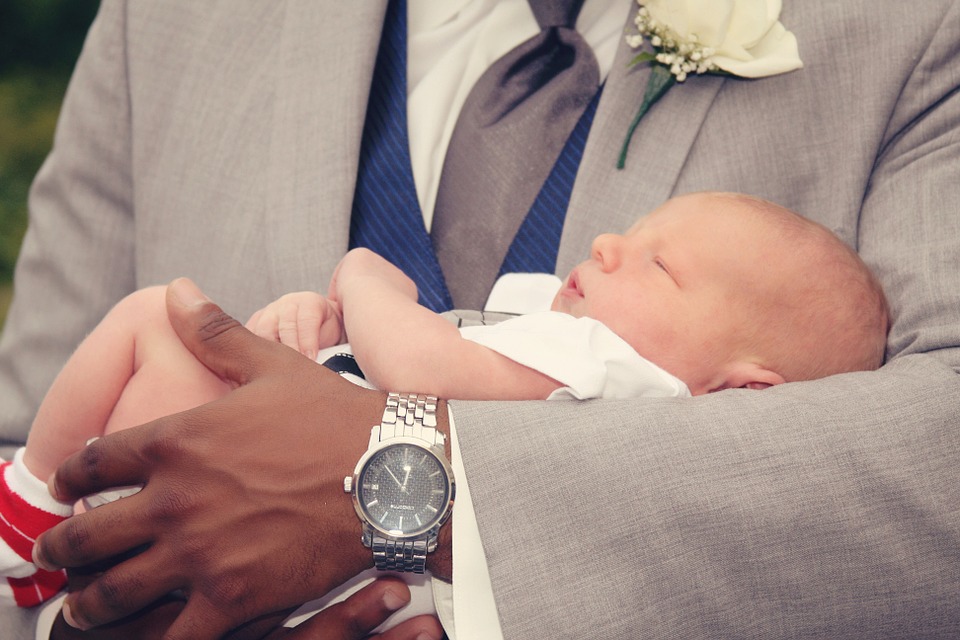 Parents who feel unable, for whatever reason, to make these solemn promises and declarations, may opt for a Service of Thanksgiving for the birth of a child instead of baptism. This allows parents to thank God publicly for their children and to ask his blessing upon them.
The pattern at St Nicholas is for parents and godparents who have been attending church regularly for some time to then attend three preparation sessions. Details of these is given in our Baptism Guide. After the third session, the date of baptism is discussed.
Baptisms take place as part of our 9.30am service on any 1st or 3rd Sunday. Baptisms are public services and anyone may attend.
More information and answers to some frequently asked questions can be found in our Baptism Guide. You can view the dates of the next Baptism Preparation Classes in the Church Calendar.
Do have a look and come along to one of our services to see for yourself: we’d love to meet and talk with you.
For further enquiries please contact the Rector or Alison Hare.